Dallwig Brothers Building SupplySALEM, OREGONAMERICA 250
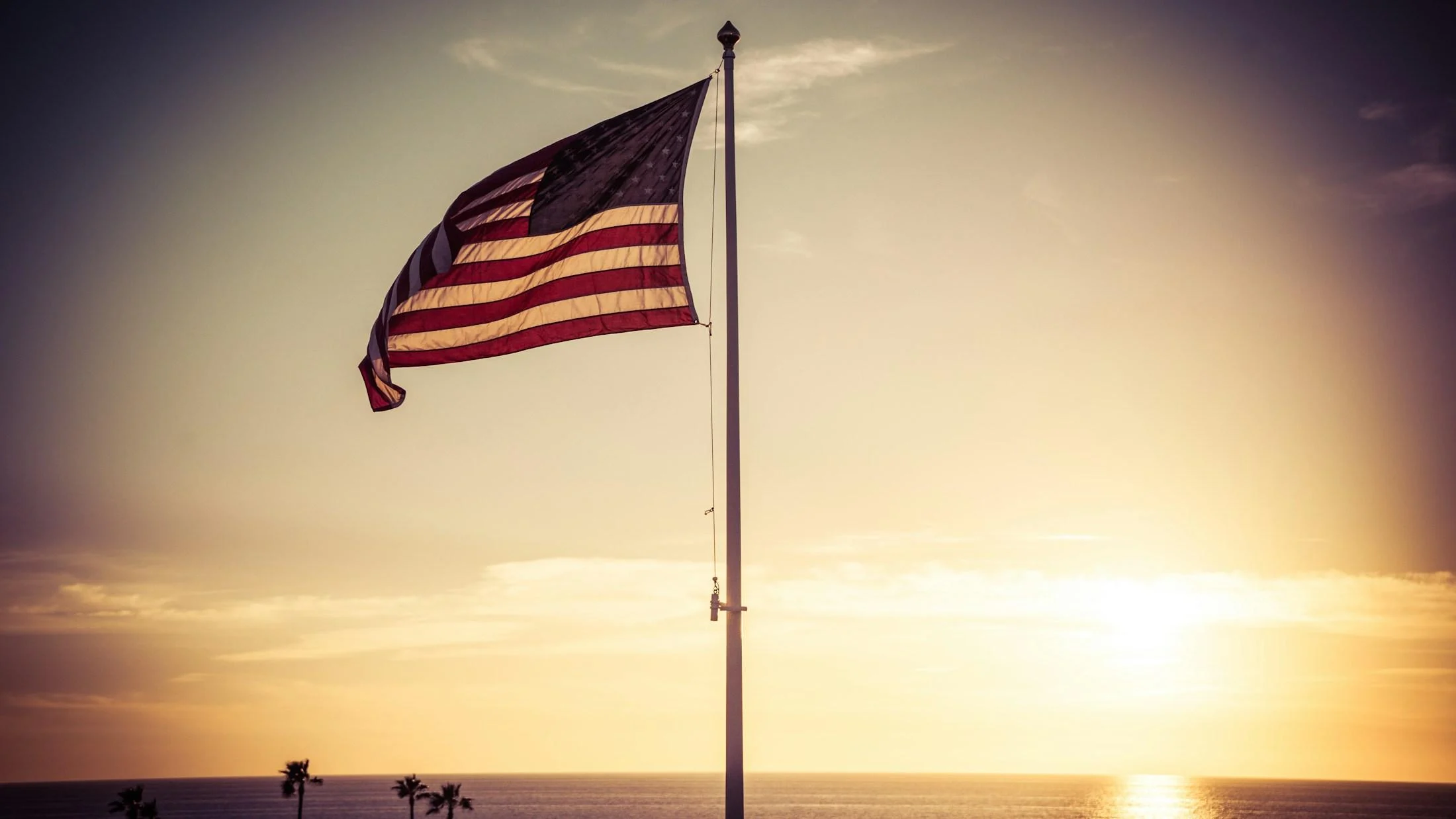
A real American flag flying in the warm light of an ocean sunset

A TRIBUTE TO AN EXTRAORDINARY NATION

1776 2026

250 Years of the
American Spirit

A Celebration of Liberty, Courage
& the American Story

From the courage of the founders in 1776 to the generations who followed, the American story is one of remarkable ideals, extraordinary sacrifice, perseverance, and possibility. Join us in celebrating 250 years of American independence.

Explore Our History

A Tribute to America, Presented by Dallwig Brothers

THE AMERICAN STORY2501776 · 2026
LIBERTY · COURAGE · POSSIBILITYBEGIN THE JOURNEY

AN INTERACTIVE AMERICAN EXHIBITION

Not just dates.
A living story.

A nation is more than its milestones. It is the courage to begin, the resolve to endure, and the determination to bring its promises closer to reality.

Explore the moments, documents and traditions that connect 1776 to 2026. Open a story. Examine a symbol. Discover something new.

21 HISTORICAL MOMENTS4 INTERACTIVE EXHIBITS250 YEARS OF INDEPENDENCE

FOLLOW THE THREAD OF HISTORY

The moments that
made a nation.

Five chapters. Overlapping eras. One unfolding story.
Choose a chapter above or follow the illuminated line.

I

CHAPTER I · 1776–1791

The Birth of a Nation

A declaration. A hard-won independence. A new framework for self-government.

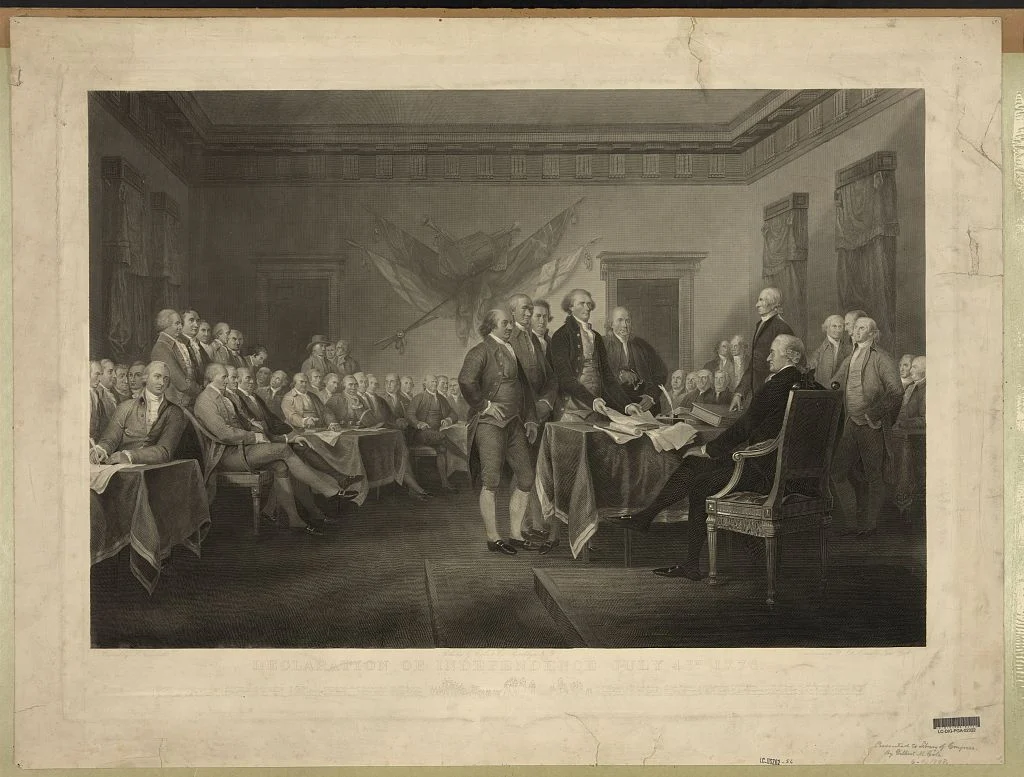
Ormsby engraving, 1876, after Trumbull’s 1818 painting of the presentation of the draft; Library of Congress. Not a photograph of the signing.

America Votes for Independence

Congress approves independence through the Lee Resolution. The decisive vote comes two days before the Declaration’s adoption.

Discover the story

The delegates voted on independence first, then completed the public explanation. July 2 and July 4 mark different moments in the same extraordinary decision.

Historical source
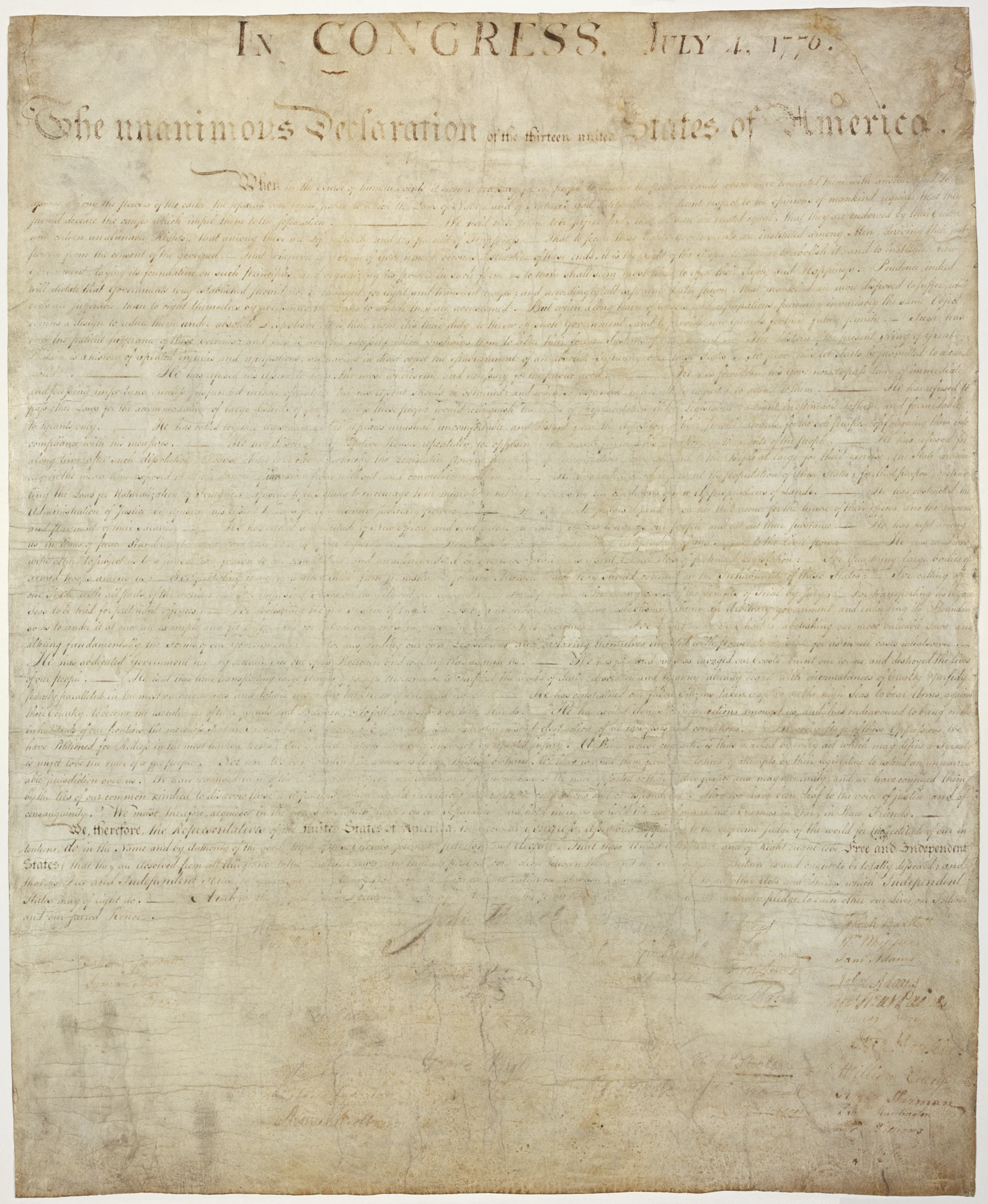
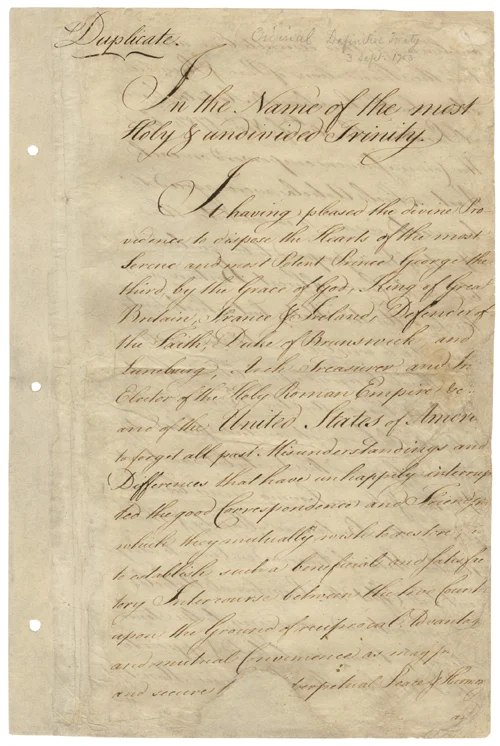
Engrossed Declaration of Independence; National Archives.

The Declaration of Independence

Congress adopts the Declaration, announcing independence and setting out an enduring argument for liberty.

Discover the story

Its claims about equality and rights became a standard against which Americans would judge their institutions. The ideals were far from fully realized in a society that permitted slavery.

Historical source

Detail of the engrossed Declaration; National Archives.

Names Committed to a New Nation

Most delegates sign the engrossed parchment copy. Other signatures follow.

Discover the story

Adoption on July 4 was not a single ceremony at which all delegates signed. The parchment preserved today records a signing process that began in August.

Historical source
Treaty of Paris, 1783: a separate document illustrating the era of American recognition and diplomacy; National Archives.

An Early Friendship Across the Atlantic

Sultan Mohammed III opens Moroccan ports to American vessels—an important early acknowledgment of independence.

Discover the story

The 1786 Treaty of Peace and Friendship formalized the relationship. The State Department’s Office of the Historian dates formal recognition to that treaty. Its earlier port-opening policy remains a landmark in the young nation’s international story.

Historical source

Treaty of Paris, 1783; National Archives.

Independence Recognized in Peace

The Treaty of Paris formally ends the Revolutionary War between Britain and the United States.

Discover the story

British recognition secured a diplomatic foundation for the new republic. Peace followed years of military service, civilian hardship and the contribution of foreign allies.

Historical source
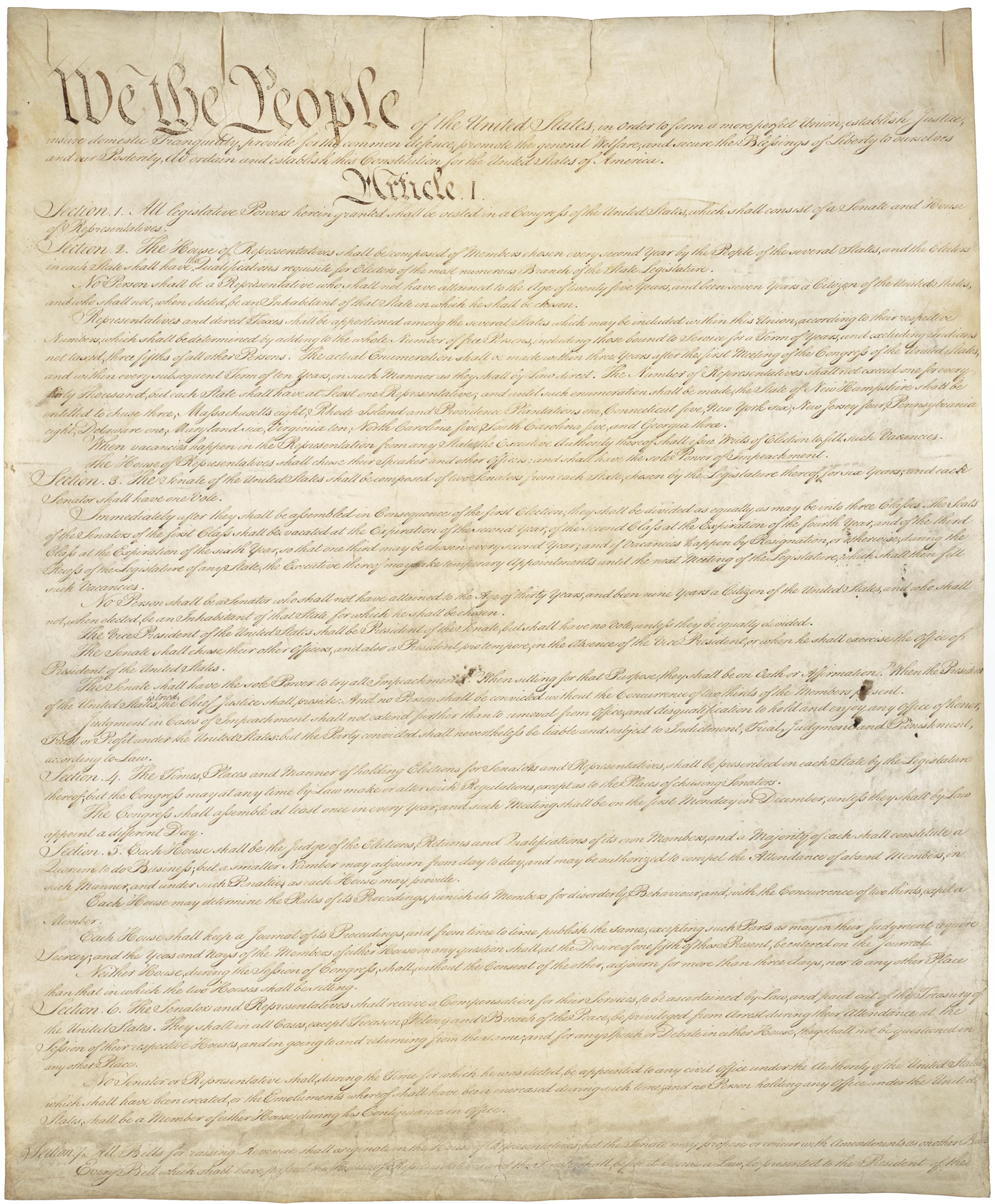
First page of the United States Constitution; National Archives.

The Constitution Is Signed

Delegates in Philadelphia sign a proposed framework for a new federal government.

Discover the story

Signing did not complete the process: the Constitution still needed state ratification. Its creation brought a system of separated powers, while also embedding compromises over slavery.

Historical source
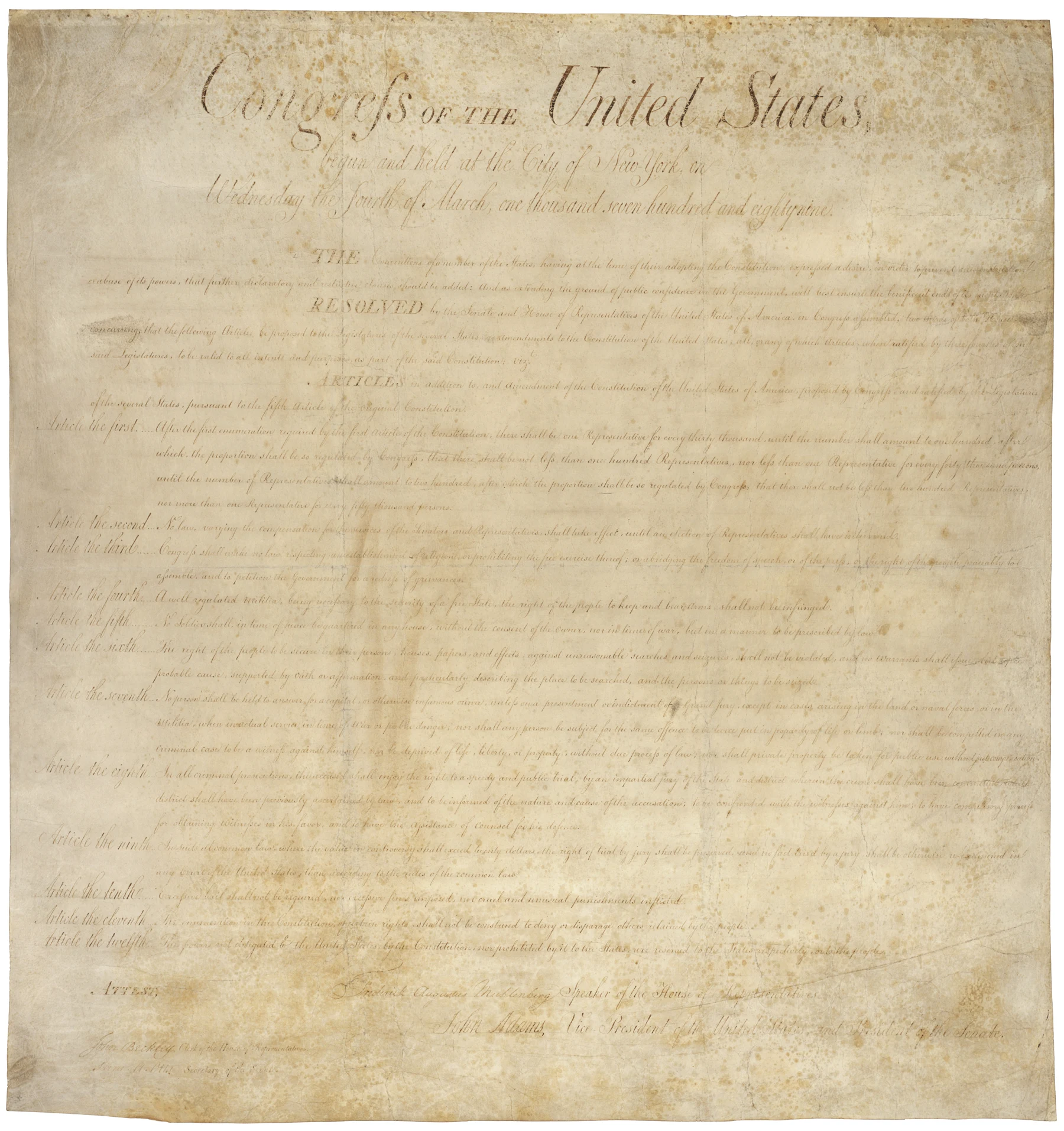
The proposed Bill of Rights, of which ten amendments were ratified in 1791; National Archives.

The Bill of Rights

Ten constitutional amendments are ratified, protecting essential liberties and limiting federal power.

Discover the story

Congress had proposed twelve amendments. Ten reached ratification in 1791, including protections for religion, speech, press, assembly and due process.

Historical source
II

CHAPTER II · 1814–1954

The Symbols That Unite Us

A flag over a harbor. A poem set to music. Words carried across generations.

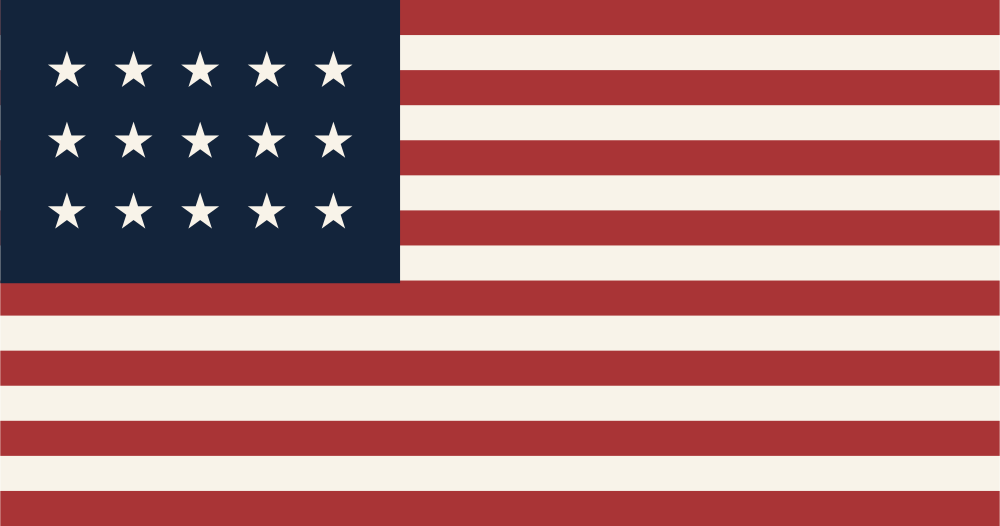
Modern schematic of a fifteen-star, fifteen-stripe flag; early star arrangements varied.

The Flag Above Fort McHenry

After a night of bombardment, Francis Scott Key sees the flag still flying over Fort McHenry. The sight inspires a poem.

Discover the story

Key’s words became the song known as “The Star-Spangled Banner.” The surviving flag was made by Mary Pickersgill and her team; it has fifteen stars and fifteen stripes.

Historical source
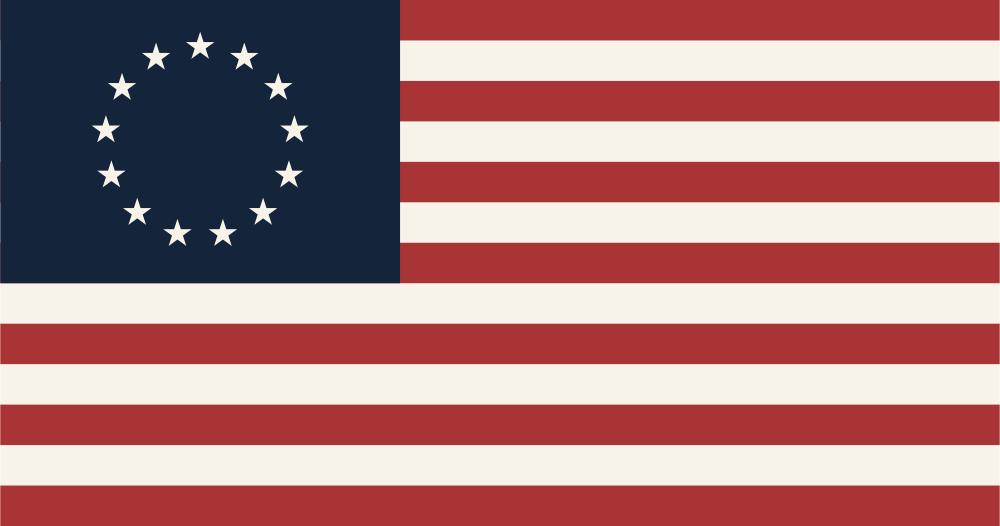
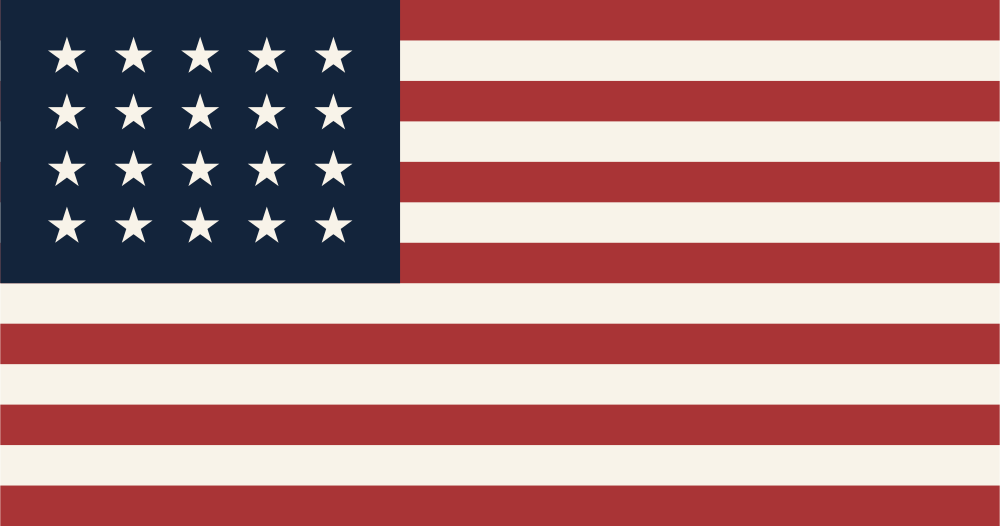
Modern illustration of a traditional thirteen-star arrangement; not the flag current in 1892.

A Pledge for a New Generation

Francis Bellamy’s original Pledge of Allegiance is published in The Youth’s Companion.

Discover the story

Written for a nationwide school celebration, the short pledge became a familiar civic ritual. Its wording changed over time; the interactive exhibit below distinguishes its first printing from later standard versions.

Historical source
Modern schematic of the forty-eight-star flag in use in 1931.

A National Anthem, Officially

A federal law makes “The Star-Spangled Banner” the national anthem.

Discover the story

More than a century separates Key’s 1814 poem and the 1931 designation. The song had already become closely associated with public ceremonies and national life.

Historical source
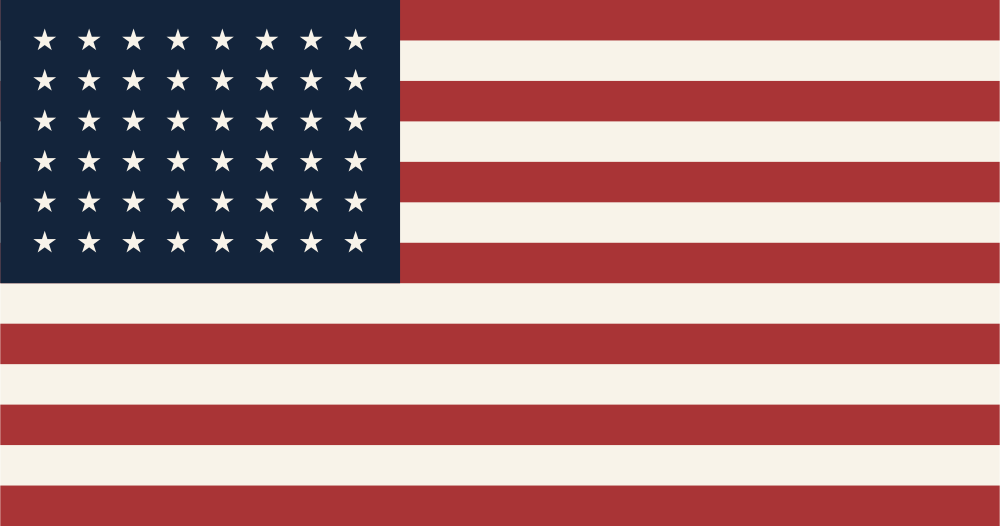
Modern schematic of the forty-eight-star flag in use in 1954.

Two Words Added to the Pledge

Congress adds “under God” to the Pledge of Allegiance on Flag Day.

Discover the story

The amendment placed the phrase after “one Nation.” Its adoption came during the Cold War; the exhibit below presents the earlier wording alongside the version used today.

Historical source
III

CHAPTER III · 1863–1965

The Promise of Liberty

The founding promise endured because generations worked to make it more fully their own.

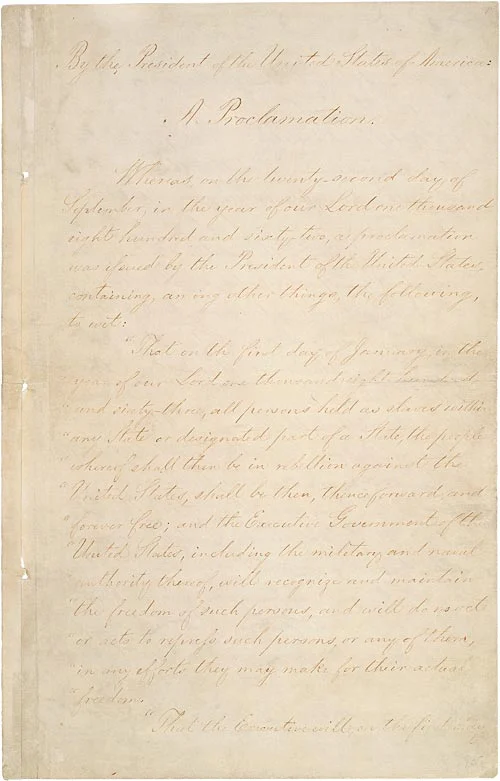
Emancipation Proclamation; National Archives.

A Turning Point Toward Freedom

The Emancipation Proclamation declares enslaved people free in designated areas in rebellion.

Discover the story

It did not abolish slavery nationwide. Issued during the Civil War, it transformed the conflict’s meaning and helped open the way for Black military service in the Union cause.

Historical source
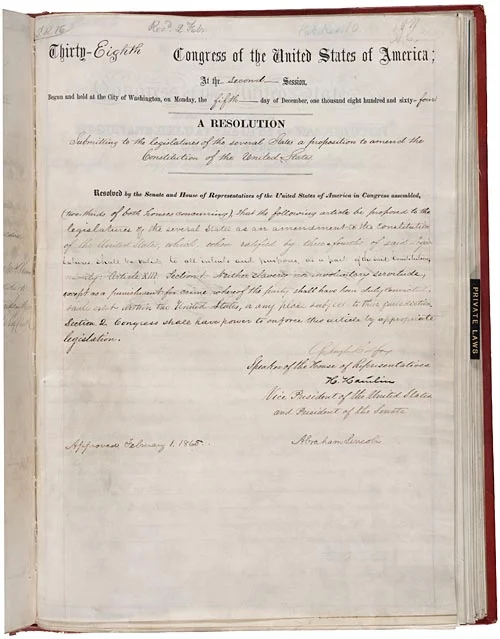
Thirteenth Amendment to the Constitution; National Archives.

The Thirteenth Amendment

Ratification abolishes slavery and involuntary servitude, except as punishment for a crime after conviction.

Discover the story

Unlike the wartime proclamation, the amendment established a nationwide constitutional prohibition. The exception remains part of its text; emancipation did not end the struggle for equal citizenship.

Historical source
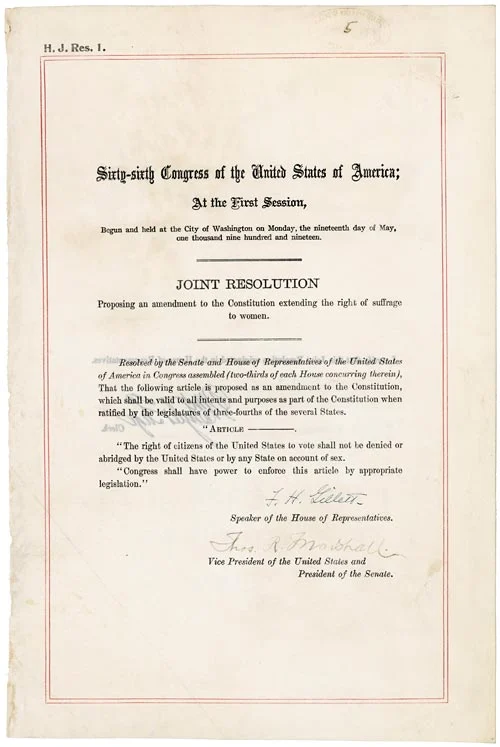
Nineteenth Amendment to the Constitution; National Archives.

Women’s Suffrage

The Nineteenth Amendment is ratified, prohibiting denial of voting rights on the basis of sex.

Discover the story

The milestone followed decades of organizing. Certification came on August 26. Racial discrimination and other barriers still prevented many women from exercising the vote.

Historical source
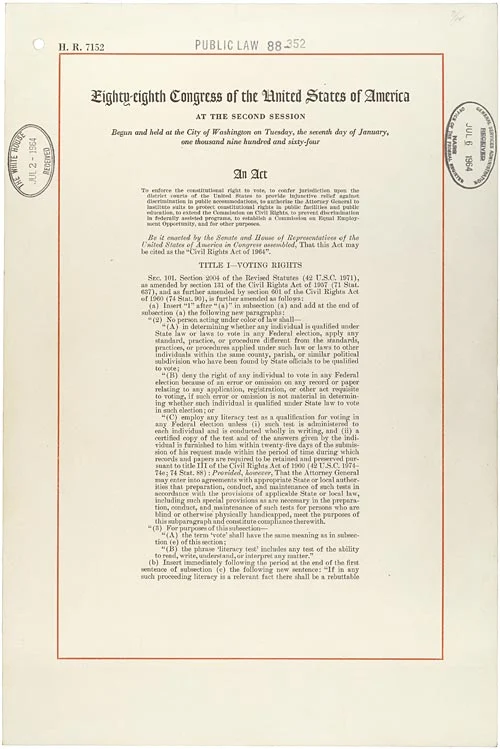
First page of the Civil Rights Act of 1964; National Archives.

A Stronger Promise of Equal Rights

The Civil Rights Act becomes law, confronting discrimination in public accommodations, employment and other areas.

Discover the story

Civil rights organizing, legal challenges and public protest helped move the country toward the founding promise of equality. The statute did not finish that work, but it changed the national framework.

Historical source
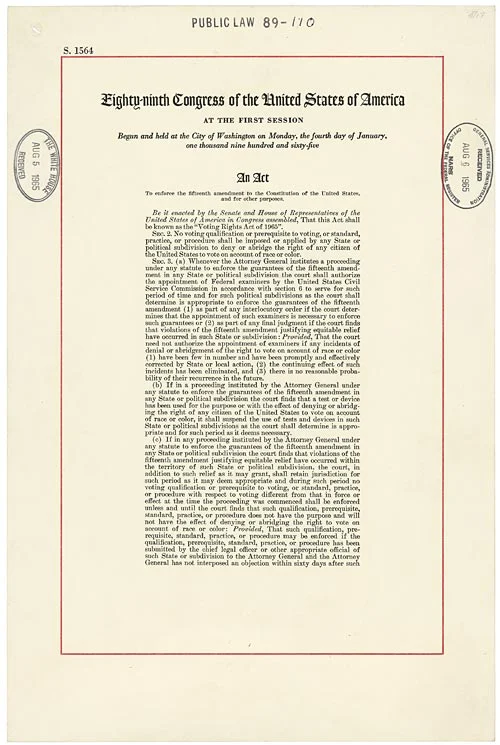
Voting Rights Act of 1965; National Archives.

Protecting the Right to Vote

The Voting Rights Act becomes law, targeting racial discrimination in voting.

Discover the story

The law addressed barriers that persisted despite constitutional protections. It stands among the central legislative achievements of the civil rights movement.

Historical source
IV

CHAPTER IV · 1918–1969

Courage, Service & Achievement

In sacrifice and discovery, Americans helped shape the world—and reach beyond it.

Modern schematic of the forty-eight-star flag in use during the First World War.

The Guns Fall Silent

The armistice takes effect at the eleventh hour, halting fighting on the Western Front.

Discover the story

Peace treaties came later. Remembering the armistice means remembering those who served, those who never returned and the families whose lives were changed by the First World War.

Historical source
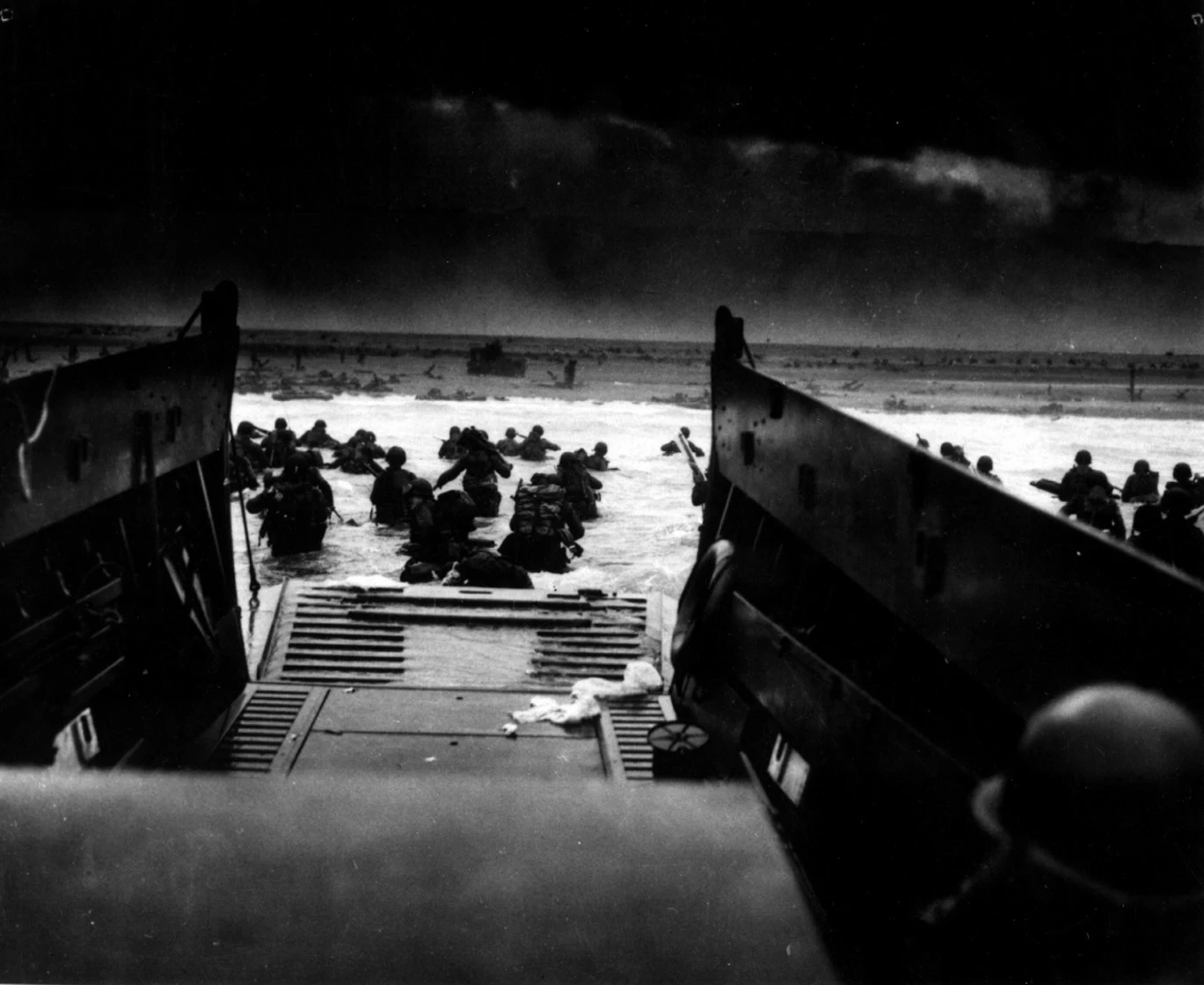
American troops approach the Normandy shore, June 6, 1944; Robert F. Sargent, U.S. Coast Guard / National Archives.

Courage on the Shores of Normandy

Allied forces land in Normandy, opening a major front in the liberation of Western Europe.

Discover the story

Americans served alongside Allied partners in an enormous undertaking by sea and air. The landings began a campaign that demanded extraordinary courage and carried a profound human cost.

Historical source
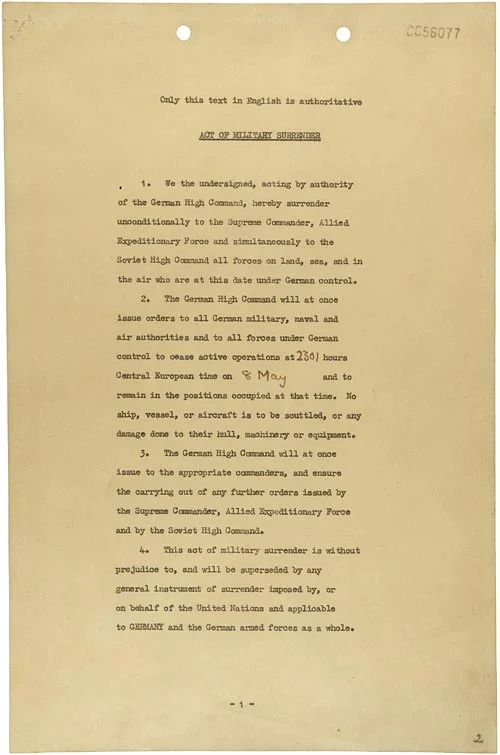
German surrender document, May 1945; National Archives.

Victory in Europe

V-E Day marks the end of the war in Europe after Germany’s unconditional surrender.

Discover the story

Celebration was joined by grief for millions of lives lost. The Second World War continued in the Pacific; May 8 did not mark the end of the entire war.

Historical source
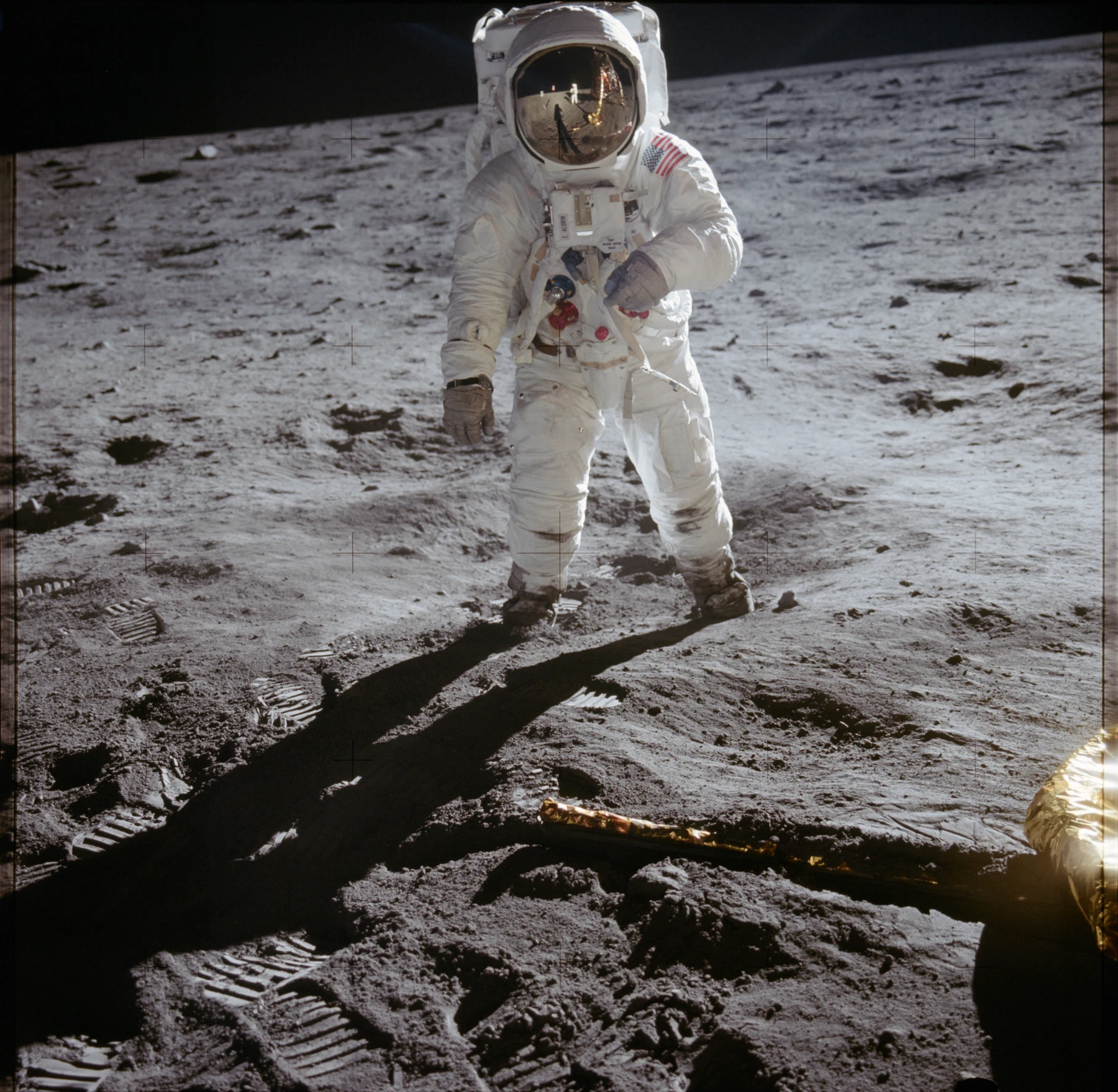
Buzz Aldrin photographed on the lunar surface by Neil Armstrong, Apollo 11, 1969. NASA, AS11-40-5903.

Americans Walk on the Moon

Apollo 11 lands at Tranquility Base. Neil Armstrong and Buzz Aldrin become the first people to walk on the Moon.

Discover the story

Michael Collins remained in lunar orbit. Armstrong’s first step occurred on July 20 in U.S. time zones and July 21 at 02:56 UTC—a reminder that a shared moment can carry two calendar dates.

Historical source
V

CHAPTER V · 2026

America at 250

A moment to remember, reflect and carry the story forward.

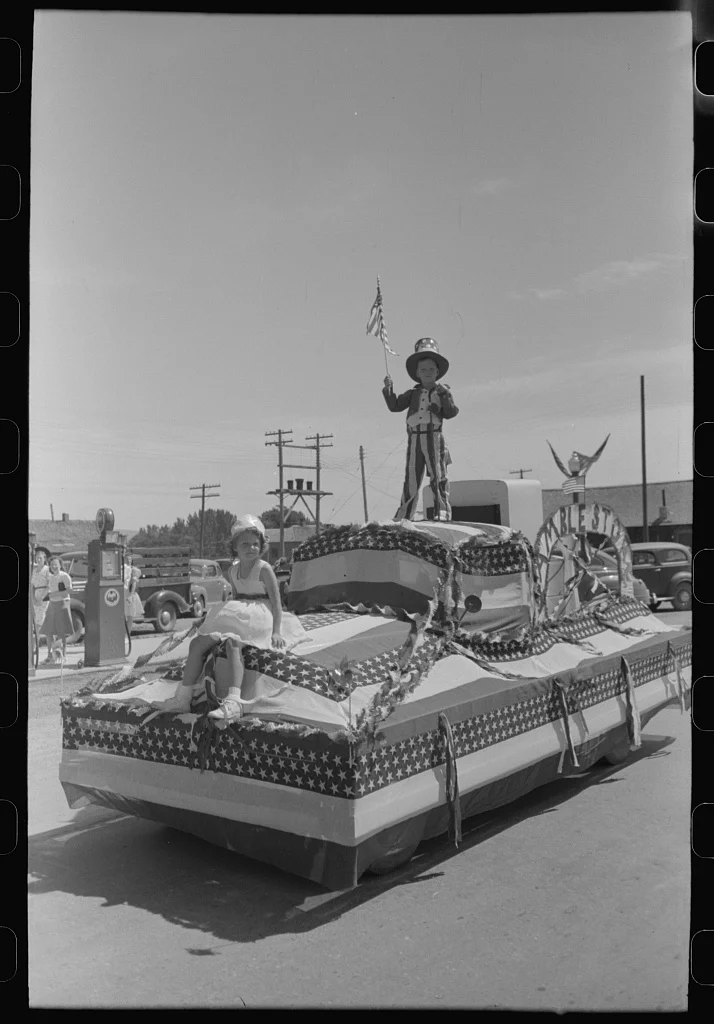
Fourth of July parade in Vale, Oregon, 1941; Russell Lee / Library of Congress. Archival image, not a photograph of the 2026 anniversary.

250 Years of American Independence

The United States marks the 250th anniversary of the Declaration of Independence.

Discover the story

The anniversary invites celebration and reflection: on extraordinary achievements, on the distance between principle and practice, and on the people who continue the work of building communities.

Historical source
EXHIBIT 01THE DECLARATION OF INDEPENDENCE

The original engrossed parchment · National Archives · Public domain

THE WORDS THAT CHANGED HISTORY

The Words That
Changed History

“We hold these truths to be self-evident, that all men are created equal…”

Ideas written in 1776 continue to ask something of every generation. Select a passage to explore its meaning.

READ BETWEEN THE LINES

A principle larger than its first application

The equality claim became an enduring basis for arguments against slavery and exclusion. Many people in 1776 were denied the very freedom it proclaimed.

Read the complete Declaration
EXHIBIT 02THE STARS & STRIPES

A SYMBOL, STILL UNFOLDING

One Flag.
An Extraordinary Story.

Thirteen stripes remember the founding states. A field of stars records a growing union. Select a year and watch the design change.

1777 American flag schematic: 13 stars and 13 stripes
1777

Thirteen states. One new union.

Congress’s June 14, 1777 resolution called for thirteen stripes and thirteen stars. It did not prescribe a single star arrangement. This circular arrangement is traditional; it is not proof that Betsy Ross made the first flag.

13 STARS · 13 STRIPES

These are modern schematic illustrations, not archival flag photographs. Before standardization, star arrangements varied. The 1777 circle is a traditional arrangement, not a uniquely mandated design.

EXHIBIT 03REMEMBRANCE & TRADITION

A CEREMONY OF RESPECT

Thirteen Folds.
A Tradition of Honor.

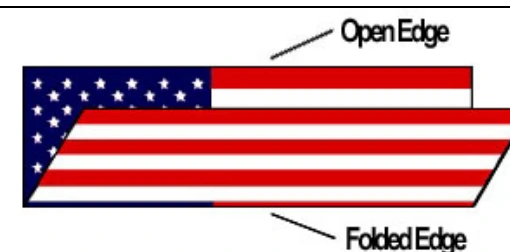
For many families, the folded flag is a quiet expression of remembrance. Explore one traditional ceremonial script—and the physical care behind the fold.

The thirteen meanings below are traditional interpretations, not meanings assigned by federal law or the U.S. Flag Code. Other scripts exist; no religious interpretation is mandatory or universally used.

IN HONOR OF SERVICE & SACRIFICE

01 / 13
01

TRADITIONAL CEREMONIAL THEME

Life

The first theme honors life.

Thirteen symbolic themes—not thirteen different mechanical diagrams.

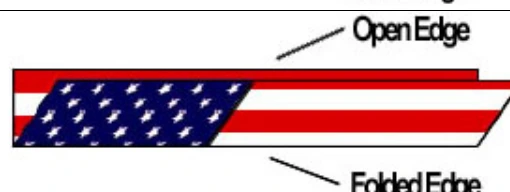
The physical fold: an illustrated guide

The VA guide shows five physical stages, with the triangular action repeated toward the blue field. Explore the verified illustrations independently of the ceremonial themes above.

VA illustration of physical folding stage 1: The first lengthwise fold
Verified illustration, U.S. Department of Veterans Affairs. Cropped from the official guide.

1. The first lengthwise fold

Fold the lower striped half over the blue field.

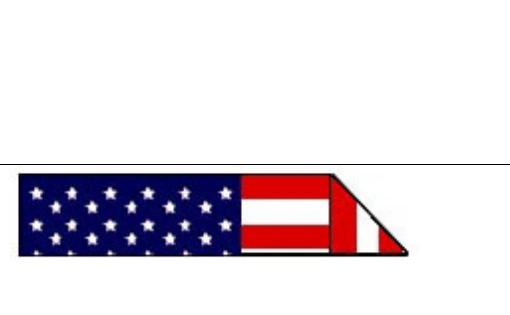
Completed triangular flag fold showing only the blue fieldThe completed fold · VA illustration
Open the original VA illustrated guide
EXHIBIT 04THE PLEDGE OF ALLEGIANCE

WORDS CARRIED ACROSS GENERATIONS

A Promise
Across Generations

Select a year to read the wording and understand the change. Gold highlights identify the words associated with each revision.

1892

The original printing

I pledge allegiance to my Flag and the Republic for which it stands; one Nation indivisible, with Liberty and Justice for all.

The first printing, September 8, 1892, has no second “to” before “the Republic.” Later retrospective versions often include it.

Historical source
American flag glowing against an ocean sunset

REMEMBER THE PAST. CARRY THE PROMISE FORWARD.

250 Years.
One American Story.

Two hundred and fifty years ago, a remarkable experiment in liberty began. Through generations of courage, struggle, sacrifice, innovation, and perseverance, that experiment became the nation we know today.

America’s story is not simply a collection of dates. It is the story of people—those who founded the nation, defended its freedoms, challenged its shortcomings, built its communities, and carried its ideals forward.

As we celebrate 250 years of American independence, we honor the past, appreciate the present, and look toward the future with gratitude and hope.

1776 2026

FROM OUR FAMILY TO YOURS

Proudly American.
Grateful for 250 Years.

Dallwig Brothers proudly celebrates the 250th anniversary of American independence. As an American family-owned business serving Oregon, we’re grateful for the freedoms, opportunities, and generations of hard work that have helped shape this country.

We honor those who came before us, those who have served and sacrificed, and the Americans who continue building our nation’s future.

God bless America.

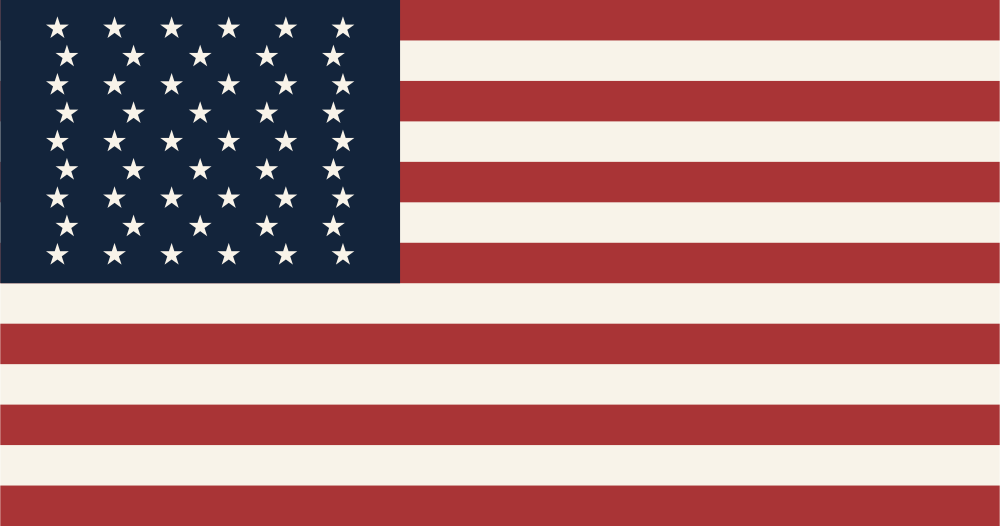
Dallwig Brothers Building SupplyUnited States fifty-star flag
Dallwig Brothers · Salem, Oregon

THE EXHIBITION LIBRARY

Historical Sources
& Further Reading

History rewards a closer look. Each timeline story links to a historical reference; the collections below invite you to continue exploring.

Image credits, rights & editorial notes

This independent community tribute is presented by Dallwig Brothers. Source institutions do not endorse this page. Historical artwork, original documents, modern diagrams and contemporary photography are identified separately.

Historical review: October 2026. Morocco’s 1777 port opening is distinguished from the 1786 treaty. The July 4 adoption of the Declaration is distinguished from its August signing. The thirteen-fold script is a commemorative tradition, not a legal prescription.

Enlarged engrossed Declaration of Independence

National Archives · Public domain